


El Niño Watch Issued as Pacific Ocean Temperatures Continue Warming
NOAA's latest ENSO outlook shows warming Pacific Ocean conditions that could shape hurricane activity, winter weather patterns, drought risk, and catastrophe claims through early 2027.
May 15
Catastrophe
Insurance Industry
Property
Risk Management

South Florida Wildfires Burn Thousands of Acres in Everglades
Two Everglades-area fires have burned nearly 6,000 acres as crews work to increase containment amid dry conditions.
May 14
Catastrophe
Property
Risk Management
Florida

Spring Landscaping Mistakes Can Increase Water Damage Insurance Claims
Small landscaping changes can redirect water toward foundations, increase basement flooding risk, and complicate homeowners insurance claims after heavy rain or storms.
May 13
Catastrophe
Insurance Industry
Property
Risk Management
Underwriting

Kentucky Man Accused of Staging UTV Theft in Alleged Insurance Fraud Scheme
Kentucky State Police say a Martin County man admitted he falsely reported a side-by-side stolen in an alleged attempt to collect insurance money. Investigators say neighbors and follow-up interviews helped uncover inconsistencies in the report.
May 13
Fraud
Insurance Industry
Litigation
Property
Kentucky

Southern California and Hawaii Face Elevated Hurricane Risk in 2026 Forecast
Forecasters say exceptionally warm Pacific waters and a developing El Niño could push tropical systems farther north in 2026, increasing flood and storm concerns for Hawaii and Southern California homeowners.
May 11
Catastrophe
Insurance Industry
Property
Risk Management
Underwriting
California
Hawaii

Allstate’s $925 Million Storm Loss Highlights Growing Severe Convective Storm Crisis
Severe convective storms are generating record insured losses across the United States, forcing carriers to rethink underwriting, catastrophe modeling, and homeowner pricing strategies.
May 11
Catastrophe
Insurance Industry
Property
Risk Management
Technology
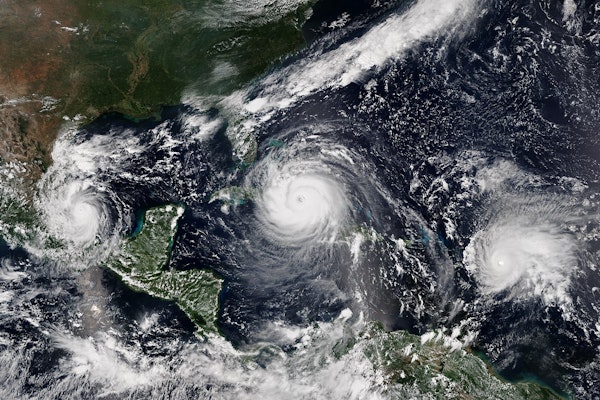
Hurricane Preparedness Week 2026: NOAA Urges Early Planning Before Atlantic Season
NOAA and the National Weather Service used Hurricane Preparedness Week to remind residents and insurers that flooding, storm surge, evacuation planning and post-storm safety remain critical concerns before the Atlantic hurricane season begins June 1.
May 8
Catastrophe
Education & Training
Insurance Industry
Property
Risk Management
Florida

Global Insurance Market Stays Soft as Claims Complexity and Geopolitical Risks Rise
Abundant capacity and lower pricing persist, but adjusters face growing challenges from geopolitical conflicts, social inflation, and complex multi-line claims.
May 5
Insurance Industry
Litigation
Property
Risk Management
Technology

Nonprofit Officials Indicted in Alleged Insurance Fraud and Embezzlement Scheme
Prosecutors allege misuse of California wildfire prevention funds, insurance fraud, and money laundering tied to a six-year scheme exceeding $100,000.
May 5
Catastrophe
Fraud
Insurance Industry
Litigation
Property
California

Public Adjuster Charged in $140K Insurance Payout Theft Case
Pennsylvania prosecutors allege a public adjuster diverted insurance claim funds meant for homeowners and contractors after storm, flood and property damage claims.
April 30
Fraud
Insurance Industry
Legislation & Regulation
Property
Pennsylvania

Early Spring Hail and Wind Claims Drive Hidden Costs for Insurers
Early-season wind and hail events often bypass catastrophe protocols but still create complex, costly claims. Delays and poor coordination can quickly increase severity and cycle times.
April 28
Catastrophe
Insurance Industry
Property
Risk Management

Cannabis Rescheduling Drives New Insurance Capacity but Raises Compliance Risks
Federal reclassification improves financial outlook for medical marijuana operators but leaves insurers navigating complex compliance and liability risks.
April 28
Excess & Surplus Lines
Insurance Industry
Legislation & Regulation
Liability
Property

Largest Art Theft in History Highlights Challenges in High-Value Property Recovery
A former FBI agent details suspects and missed opportunities in the $500M Boston art theft, offering insight into why recovery remains difficult decades later.
April 28
Fraud
Litigation
Property
Risk Management

Cargo Theft Losses Hold at $131M Despite Fewer Incidents in Q1 2026
Fewer incidents mask rising claim complexity as organized crime groups use impersonation and target high-resale goods across major logistics hubs.
April 28
Fraud
Property
Risk Management
Technology

Mississippi Launches $10K Roof Grant Program to Cut Storm Losses
State-backed incentives for FORTIFIED roofs aim to reduce storm damage, stabilize premiums, and improve claim outcomes across high-risk regions.
April 28
Catastrophe
Insurance Industry
Property
Risk Management
Underwriting
Mississippi