A consolidated federal lawsuit over Meta smart glasses combines wiretap, privacy and product defect allegations, raising questions about cyber, CGL and products coverage.
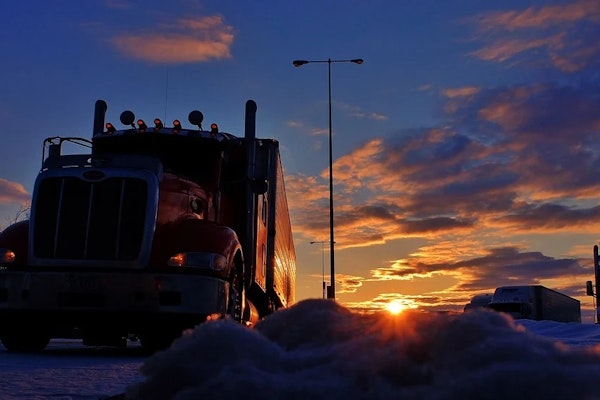
A physician’s testimony left unresolved whether a workplace fall caused or aggravated a truck driver’s medical conditions, prompting a judge to deny his request for expedited benefits.
The agreement provides compensation to approximately 264,000 delivery workers and establishes a three-year monitoring program to address wage calculation and payment errors.
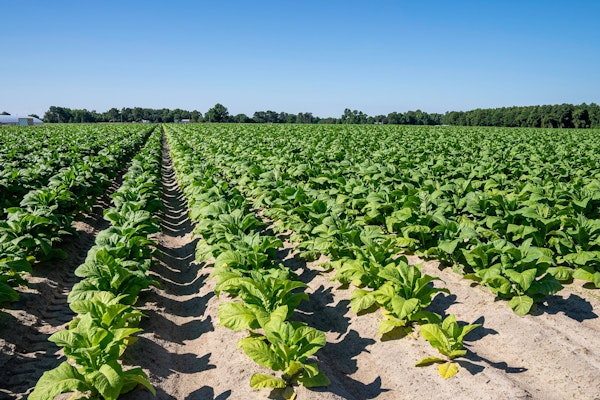
Mark Frisbie admitted to concealing agricultural sales in federal crop insurance claims and agreed to pay more than $3.25 million in restitution tied to insurance and agricultural assistance fraud.
The owner of Concrete Impressions pleaded guilty to 12 felony counts involving unfinished home improvement projects and must repay victims more than $180,000.
An Intact affiliate alleges a former account executive accessed its customer database after termination and used confidential information to solicit business for a competitor.
Business email compromise accounted for more than $3 billion in reported losses in 2025, while Alaska recorded the highest rate of reported cybercrime incidents relative to its business population.
A federal class-action lawsuit challenges investment practices and financial disclosures at insurance companies connected to the billionaire behind Cadillac's Formula 1 team.
Verisk estimates U.S. natural catastrophes account for $117 billion of the industry's modeled annual insured losses, while extreme scenarios could push global losses well beyond $400 billion.
Federal prosecutors say Kevin Kolenda collected premiums for prize coverage but used aliases, a nonexistent claims department and other tactics to avoid paying claims when contestants won insured prizes.
Recent surf damage in Southern California exposed significant flood insurance gaps as forecasters warn that El Niño could push coastal water levels higher this fall and winter.
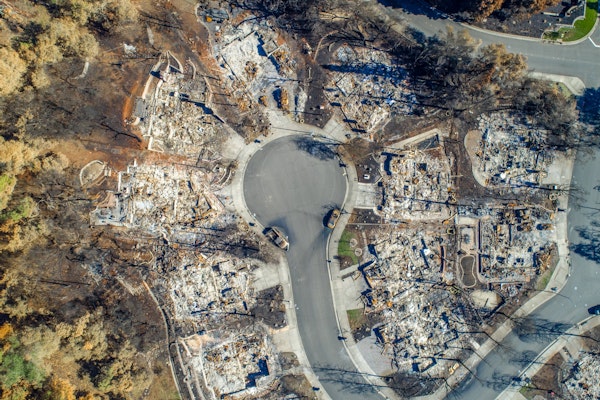
Utah insurers declined to renew 4.45% of homeowners policies in 2025, putting the state ahead of California as wildfire exposure and underwriting restrictions reshape property insurance availability.
The EPA has repealed most Biden-era greenhouse gas requirements for coal- and gas-fired power plants and proposed eliminating the remaining federal standards, setting up another round of regulatory and legal disputes over power-sector emissions.
Prosecutors allege a Suffolk County asbestos removal company understated its workforce, payroll and job hazards when obtaining workers’ compensation insurance, resulting in more than $163,000 in unpaid premiums.
Language models can help workers’ comp teams identify claim triggers, recommend routine actions and automate selected tasks while adjusters retain control over higher-risk decisions.