Google DeepMind accurately anticipated Hurricane Isaias' Florida Panhandle landfall ahead of traditional forecasting models, but predicting storm strength remains a challenge.
Two newly disclosed vulnerabilities could allow attackers to take control of vulnerable web servers or access sensitive data. Organizations are being urged to apply emergency PHP updates as exploitation attempts emerge.
A proposed settlement resolves California's claims over a breach affecting nearly 7 million customers and a dispute over the transfer of sensitive genetic information during bankruptcy.
Gallagher Re reports below-average insured catastrophe losses through September 2026, even as severe storms, hail and drought generate billions in claims across major insurance markets.
A Texas insurance broker who collected premiums without issuing policies and defrauded investors through a fictitious loan program has been sentenced to more than 13 years in prison. Federal authorities are selling his seized car collection to help repay victims.
State investigators uncovered nearly $500,000 in alleged fraudulent auto insurance claims as officials intensify enforcement against staged crashes and organized fraud schemes.
Santa Rosa and Escambia counties account for the majority of reported claims as insurers begin processing hurricane damage, with many early closures resulting in no payment.
Researchers say glacier retreat, heavy rainfall and thousands of seismic tremors preceded one of the largest tsunami run-ups ever recorded, raising concerns about growing risks to coastal communities and marine operations.
New research reveals growing expectations for workforce reductions in claims management, even as most insurers remain in the early stages of integrating artificial intelligence into their operations.
New consumer research identifies payment delays and communication gaps as major sources of frustration, with most respondents preferring direct deposit over traditional insurance checks.
State investigators allege failures involving employee reporting and insurance coverage, including one case in which an uninsured worker's injury resulted in more than $25,000 in state fund payments.
Pennsylvania prosecutors allege a claims adjuster fabricated medical records and claim documentation to direct a substantial settlement payment to a business he created that appeared to be a law firm.
Investigators discovered two separate fire origins inside a Freightliner semi-truck and evidence of a lighter fluid purchase made the day before the blaze.
Investigators allege the couple deliberately set fire to their property, then collected $10,000 in insurance payments. Cellphone records, witness statements and evidence recovered from the scene contributed to the criminal case.
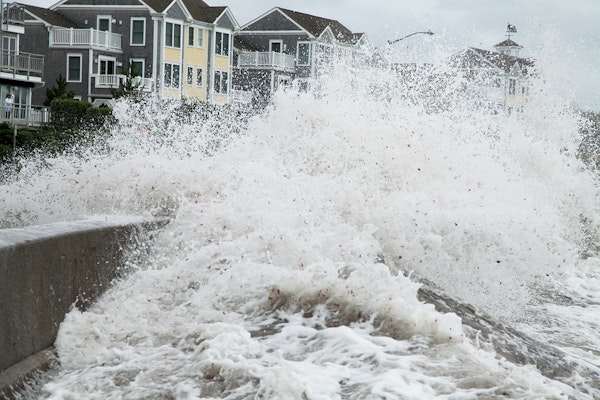
Wind gusts reaching 50 mph, dangerous surf and repeated tidal flooding threaten coastal communities from North Carolina to New Jersey as forecasters monitor the storm for possible tropical development.